
Samsung Technolohgies
Telephone Exchange
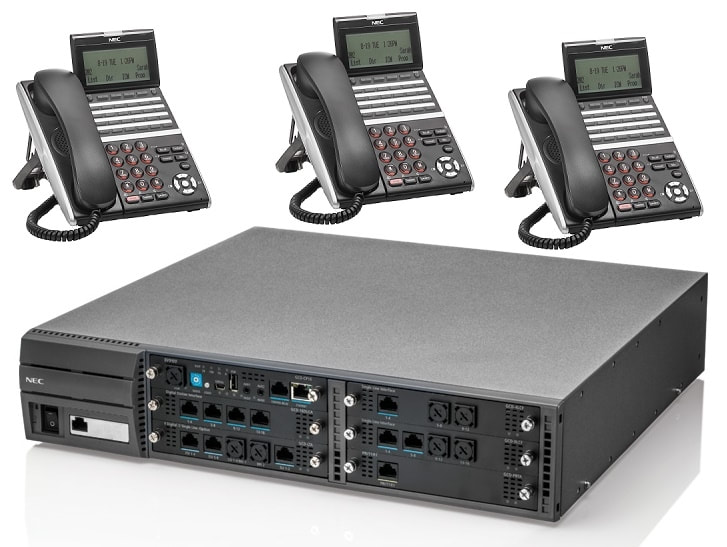
A telephone exchange is a central system within a telecommunications network that facilitates the routing and connection of telephone calls between users. It serves as the backbone of traditional landline and mobile phone systems, ensuring seamless communication by automatically switching call signals between callers and receivers. Modern exchanges utilize advanced digital and IP-based technologies, supporting voice, data, and multimedia services. They can operate on various scales, from local e
Telephone Exchanges
A telephone exchange is a critical component of telecommunications infrastructure that facilitates the connection and routing of telephone calls within and across networks. It serves as an automated system that links callers to their intended recipients by switching communication signals, enabling seamless voice, data, and multimedia transmission. Historically, these systems have evolved from manual operations to sophisticated digital and IP-based technologies, adapting to the changing demands of communication.
Types of Telephone Exchanges
- Local Exchange:
- Connects telephone users within a specific geographic area.
- Handles calls made within the same region or routes them to higher-level exchanges for long-distance communication.
- Tandem Exchange:
- Acts as an intermediary, connecting multiple local exchanges within a network.
- Optimizes call routing between different local areas.
- International Exchange:
- Manages and routes calls between countries, ensuring interoperability across different telecommunication systems.
- Private Branch Exchange (PBX):
- A smaller-scale exchange used within businesses or organizations to manage internal and external calls efficiently.
- Mobile Switching Center (MSC):
- The equivalent for mobile networks, handling call routing, SMS, and data communication for mobile phones.
Functions of a Telephone Exchange
- Call Switching:
- Automatically connects incoming calls to the appropriate recipient, either locally or across networks.
- Call Routing:
- Determines the optimal path for a call, considering factors such as distance, cost, and network congestion.
- Billing and Records:
- Tracks call duration, origin, and destination for billing purposes, ensuring accurate accounting for telecom providers.
- Signal Conversion:
- Converts analog signals into digital formats in modern systems, enabling integration with advanced digital networks.
- Integration with Data Services:
- Supports services such as internet connectivity, video calls, and multimedia transmission in addition to voice communication.
Evolution of Telephone Exchanges
- Manual Switchboards:
- Early telephone exchanges relied on operators manually connecting calls using switchboards.
- Electromechanical Systems:
- Introduced automated switching, reducing the need for manual intervention.
- Digital Exchanges:
- Transitioned to fully digital systems, increasing efficiency, scalability, and the ability to support advanced services.
- IP-Based Exchanges:
- Modern exchanges operate on Internet Protocol (IP), allowing seamless integration with global communication networks and supporting Voice over IP (VoIP) services.
Importance of Telephone Exchanges
- Connectivity: Provides the backbone for global telecommunication networks, ensuring reliable and efficient communication.
- Scalability: Enables the handling of millions of simultaneous calls, catering to the needs of both urban and rural areas.
- Advanced Services: Supports not only voice calls but also internet access, multimedia messaging, and video conferencing.
- Cost Efficiency: Optimizes call routing and resource utilization, reducing costs for telecom providers and end-users.
Applications
- Public Telephone Networks:
- Local, national, and international communication for residential and business users.
- Corporate Communication:
- Internal call management through PBX systems within organizations.
- Mobile Networks:
- Facilitates call routing, SMS, and data services for mobile subscribers.
- Emergency Services:
- Ensures connectivity and routing for emergency calls, such as 911 or 112, with priority handling.
In summary, telephone exchanges are the backbone of modern telecommunication systems, evolving over time to incorporate advanced technologies. They ensure seamless, efficient, and reliable communication, serving as the foundation for both traditional voice calls and modern digital services.